
Hablar francés
En inglés
How to Learn French While Working Full-Time: Real Strategies for Busy People
In this article, I answer one of the most common concerns I hear from my students: “How can I find time to learn French with my busy schedule?” Whether you're working full-time, juggling meetings, or…
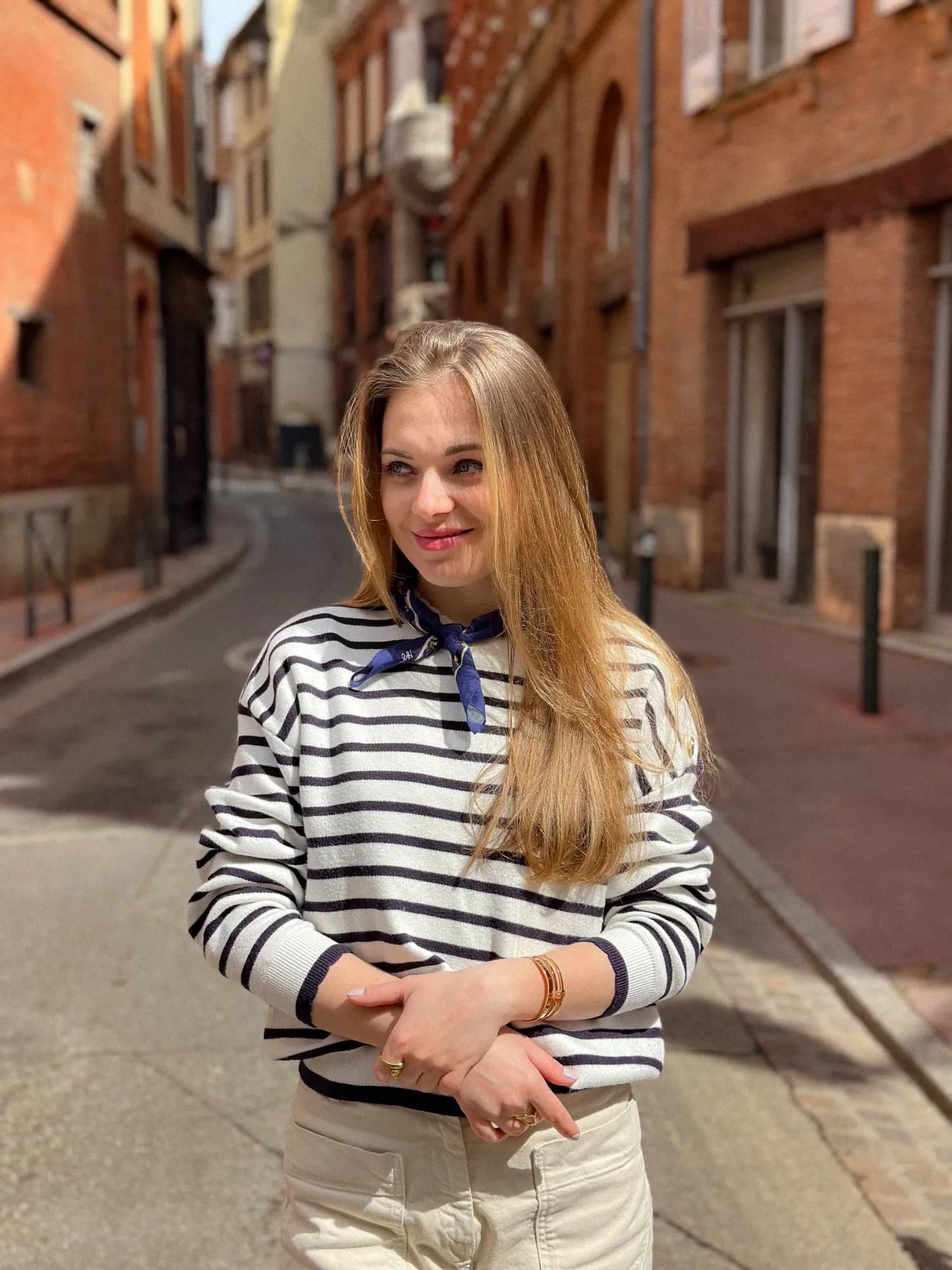
As a French teacher working with expats and professionals, I hear this all the time:
“I didn’t have time to finish my homework.”
“I had too many meetings this week.”
“I wanted to study, but I just couldn’t find the time.”
And you know what? I get it. Learning a new language while working full-time is hard. You’re juggling emails, deadlines, personal life, and somehow, French is supposed to fit in there too?
You can make progress with a full schedule. I see it every week. I would just like to be precise about what actually moves you forward, because the usual advice tends to skip that part.
Here are a few things I always suggest to my students:
Five habits that fit a full-time job
- 01
Be regular, be curious
Coming back to French often is what makes vocabulary stay. So is genuinely wanting to know what a word means.
- 02
Make French part of your life
Switch your phone, watch with French subtitles, talk to yourself while cooking. Less homework, more routine.
- 03
Use dead time
Walking the dog, waiting in line. These minutes keep the language warm between two real sessions.
- 04
Protect one longer moment
Short reviews hold your level. Gaining ground asks for time where you can actually think in French.
- 05
Progress over perfection
One new word, one phrase practised, one audio understood. That is progress.
1. Be Regular, Be Curious
You have probably read somewhere that fifteen minutes a day is enough. I would rather tell you what I see in my lessons: fifteen minutes a day keeps what you already have. It stops you from sliding backwards between two classes, and that is genuinely valuable. On its own, it will not take you to the next level.
For vocabulary in particular, two things decide almost everything, and neither of them is duration.
Regularity. A word you meet once rarely stays. The same word met again three days later, then ten days later, becomes yours. That is the idea behind flashcards, and it is why ten minutes every morning does more than an hour on Sunday.
Curiosity. The words that stay are the words you wanted to know. The one you heard at the bakery and did not understand. The one a colleague used in a meeting. The one you looked up because it was quietly bothering you. Words that come from curiosity tend to stay on their own. Words copied from a list ask for a lot more effort.
So yes, use your ten minutes, and use them every day. Then, whenever your week allows it, add a longer moment on top. The short sessions hold the ground, and the longer ones are where you gain it.
2. Make French Part of Your Life
I often tell my students: Don’t treat French like another chore on your to-do list. Make it part of your routine.
- Switch your phone to French
- Watch a show with French subtitles
- Talk to yourself in French while cooking (yes, really!)
The more you surround yourself with the language, the less it feels like “homework.”
One small condition, and it changes everything: take one thing out of each of those moments. A word, a turn of phrase, something a character said that you would never have thought to say. Otherwise the French washes over you and leaves nothing behind.
3. Use “Dead Time”
There’s more free time in your day than you think. Walking the dog? Listen to slow French news. Waiting in line? Open your vocab app. Five minutes here, ten minutes there, and the language stays warm between two real sessions.
4. Treat It Like a Workout
Learning a language is a bit like training for a sport. One long session a month does very little, and so does three minutes a day. What works is showing up often and giving it enough time to count.
A short, focused practice every day builds the habit, creates momentum and holds your level. The longer sessions, once or twice a week, are where you actually move up. You need both, and the daily one is the one that makes the other possible.
5. Progress Over Perfection
I always remind my students: It’s okay if you don’t finish every exercise. The goal isn’t to be perfect, it’s to keep moving. One new word learned, one phrase practiced, one audio understood, that’s progress.
If you’re living and working in France, especially in Toulouse, learning French isn’t just a “nice-to-have”, it can change your daily life. It can help you feel more confident, more connected, and more at home.
And if you ever feel stuck, know this: you’re not alone, and I’m here to help, with lessons designed to fit your life, not fight it. 😉
Toda la sección Hablar francés
Un correo al mes, sacado de las dos secciones.
Los artículos del mes, un extracto de episodio, un adelanto de la próxima guía.